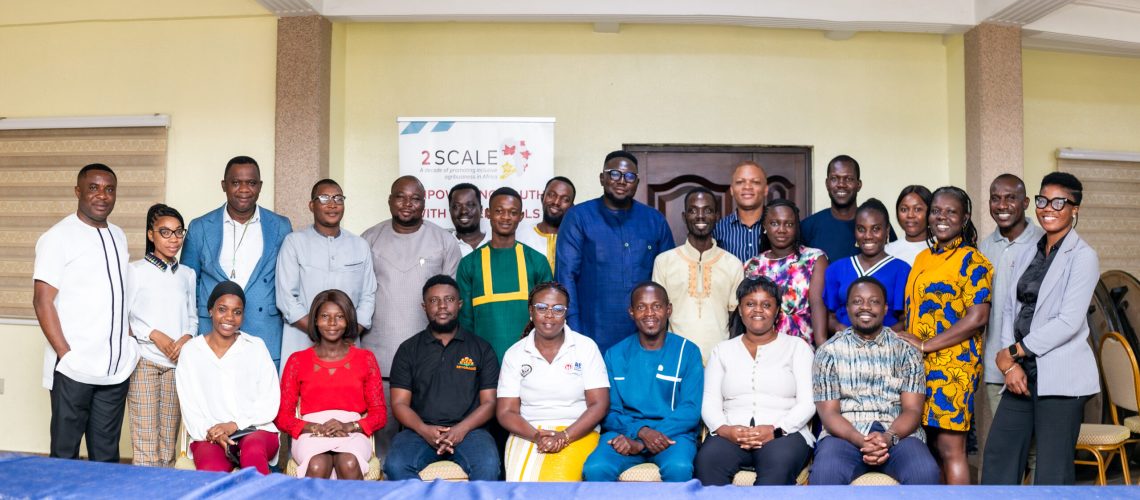
A three-day capacity-building workshop focused on advancing Inclusive Business (IB) and Impact-Driven Returns (IDR) across Ghana was officially launched yesterday in Kumasi. Organised by the Ghana Chamber of Young Entrepreneurs (GCYE) in collaboration with the 2SCALE Programme, the training brings together GCYE regional leads and representatives of the Ghana Hubs Network. The event is being hosted at the Sweet Pee Executive Hotel.
This initiative is designed to support the localisation and expansion of inclusive economic models throughout the country. Participants are being trained to serve as local ambassadors who will help shape and implement Ghana’s upcoming National Inclusive Business Strategy. This strategy is currently under development by GCYE in partnership with a wide range of private sector actors and policy institutions.
At the opening ceremony, GCYE CEO Sherif Ghali remarked that the training aims to go beyond theory by equipping regional leaders with the tools and knowledge to identify, promote, and replicate inclusive business ventures in their respective communities. He noted that the programme reflects a growing commitment within Ghana to align entrepreneurship with meaningful social impact, particularly for underserved populations.
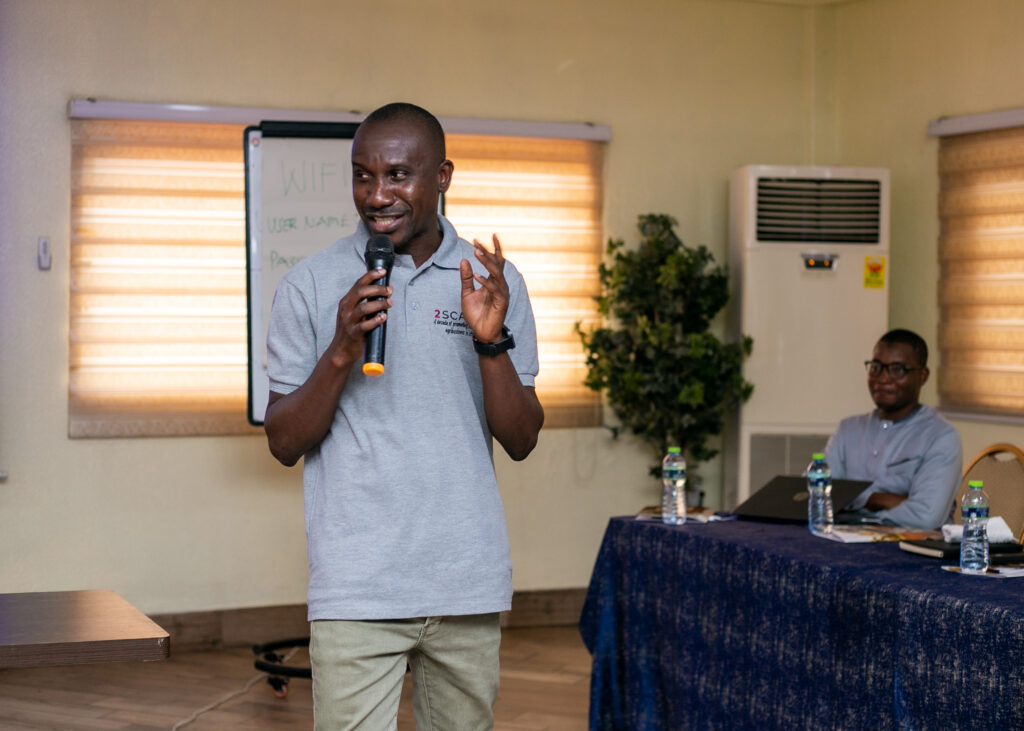
Khalid Iddrisu, Country Lead for 2SCALE in Ghana, highlighted the role of partnerships in building a resilient business ecosystem. According to him, inclusive business thrives when all value chain actors—such as smallholder farmers, SMEs, and policymakers—work together to create shared value. He described the workshop as a critical step in fostering that collaborative mindset.
What Inclusive Business Means for Ghana
Inclusive Business refers to commercially sustainable enterprises that actively engage low-income communities as suppliers, distributors, retailers, or customers. Impact-Driven Returns relate to the idea that businesses can achieve profitability while also delivering measurable social outcomes, such as better access to markets, services, and employment for marginalised groups.
In Ghana, these models are gaining attention as effective tools to reduce inequality and promote local development. They also align closely with national objectives outlined in Agenda 2050 and the United Nations Sustainable Development Goals.
Part of a Broader National Strategy
The Kumasi training forms part of the ongoing development of Ghana’s National Inclusive Business Strategy, a flagship initiative led by GCYE with support from partners including 2SCALE, SNV, and the European Union. Once completed, the strategy will provide a roadmap for coordinated action across government, the private sector, and civil society to advance inclusive growth.
The workshop is also laying the groundwork for a national network of Inclusive Business ambassadors who will serve as regional focal points and contribute to ongoing consultations. Participants are expected to organise follow-up engagements in their regions and serve as liaisons to the GCYE national office.
Next Steps and Expected Impact
Over the remaining two days of the workshop, participants will take part in hands-on sessions covering topics such as value chain analysis, inclusive market design, and stakeholder engagement. The agenda includes simulations, case studies from Ghana and beyond, and group work that will help participants craft practical regional strategies.
GCYE has confirmed that the training will conclude with a roadmap outlining how regional ambassadors will promote and support inclusive growth in their respective zones. The final version of the National Inclusive Business Strategy is expected to be launched before the end of the year.
This workshop marks a significant moment in Ghana’s journey toward a more inclusive and impact-focused business environment. For stakeholders across sectors, it is a clear signal that inclusive growth is not just an idea, but a practical direction for the future of entrepreneurship in Ghana.